

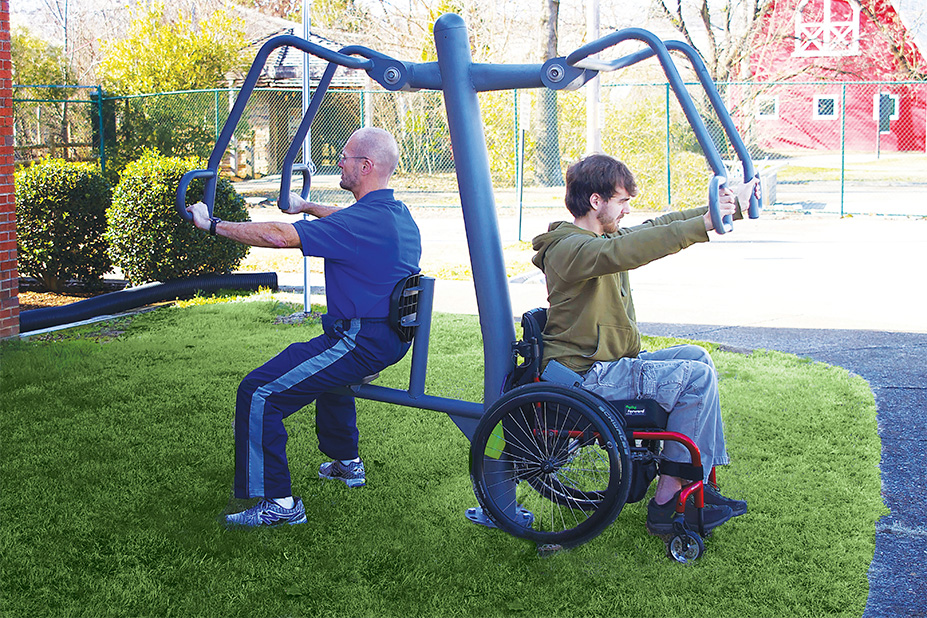
Communities today are placing greater emphasis on creating parks and recreational spaces that welcome people of all abilities. As public spaces adapt to meet the needs of diverse users, accessible outdoor fitness equipment is becoming an essential component of park design.
From municipalities and schools to HOAs, inclusive outdoor fitness areas help ensure that more people can enjoy the physical, social, and mental benefits of exercise. By incorporating accessible fitness equipment into outdoor recreation spaces, organizations can create environments that promote wellness and foster stronger community connections.
Why Inclusive Recreation Spaces Matter
Access to recreation plays an important role in supporting community health and quality of life. However, traditional fitness environments may not always accommodate users with different physical abilities or mobility needs. Inclusive outdoor fitness spaces help remove barriers by providing opportunities for people of varying abilities to exercise, socialize, and engage with their communities.
Benefits of Accessible Outdoor Fitness Equipment
1. Expands Participation
One of the greatest advantages of accessible fitness equipment is the ability to serve a larger audience. Users may include seniors, those who use mobility devices, rehabilitation participants, or those who seek low-impact exercise options. With more people able to participate, fitness parks become valuable assets that support overall community wellness.
2. Supports Active Aging
Many communities are experiencing growth in active adult and senior populations. Accessible outdoor fitness equipment provides opportunities for older adults to engage in physical activity that supports mobility, strength, flexibility, balance, and more. These benefits can contribute to healthier lifestyles and improved quality of life for aging populations.
3. Encourages Community Connection
Inclusive fitness environments naturally create opportunities for social interaction. When recreation spaces are designed for a broad range of users, all community members can exercise together rather than separately. This shared experience strengthens community relationships and encourages greater use of public spaces.
4. Promotes Physical and Mental Wellness
Regular physical activity can support overall health and well-being. Accessible outdoor fitness parks encourage users to:
- Spend more time outdoors
- Develop healthy exercise habits
- Participate in recreational activities
- Reduce sedentary behavior
- Engage in positive social interactions
This combination of fitness and outdoor recreation can contribute to improved physical and mental wellness.