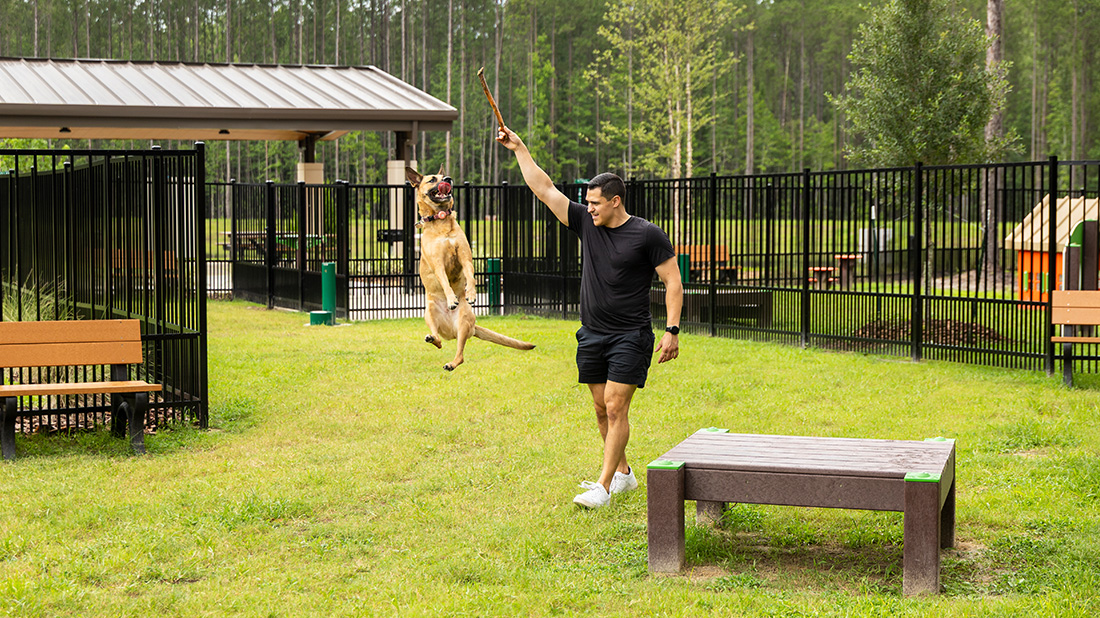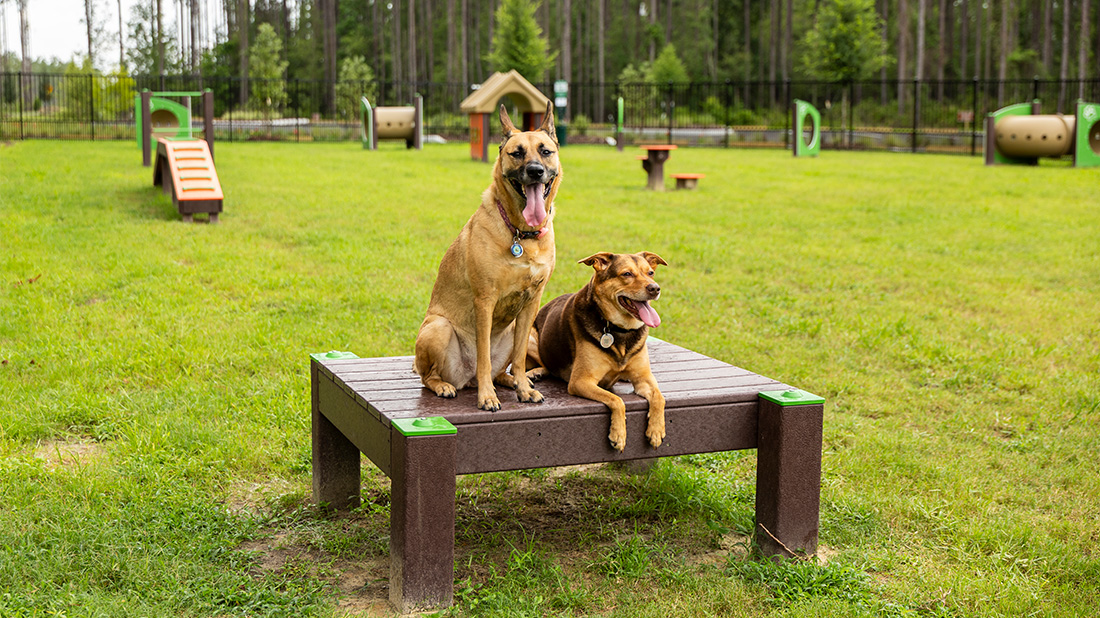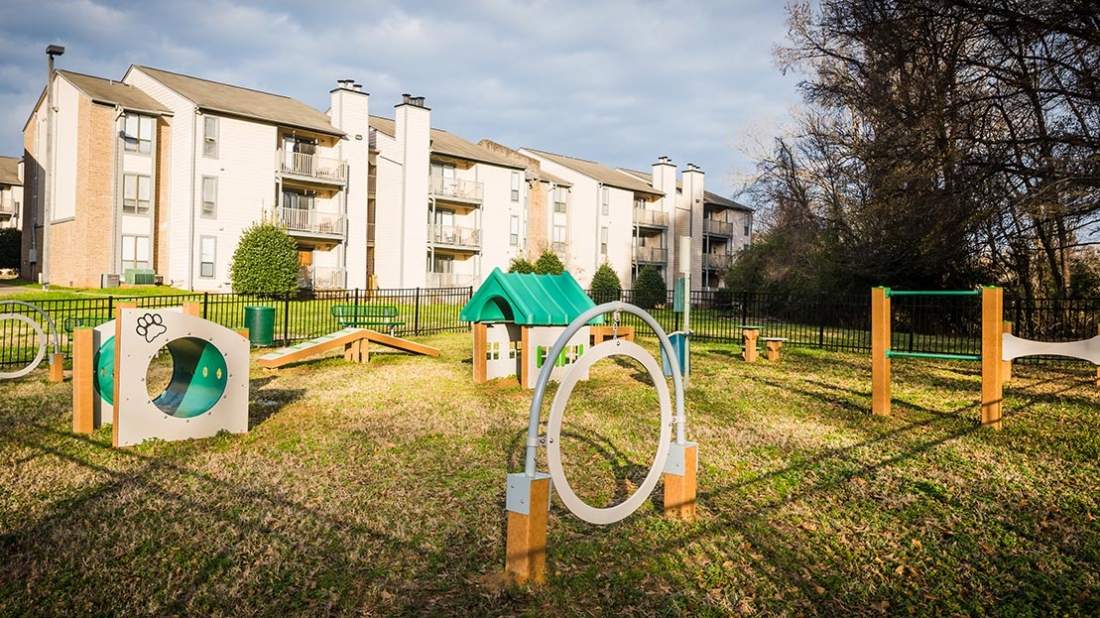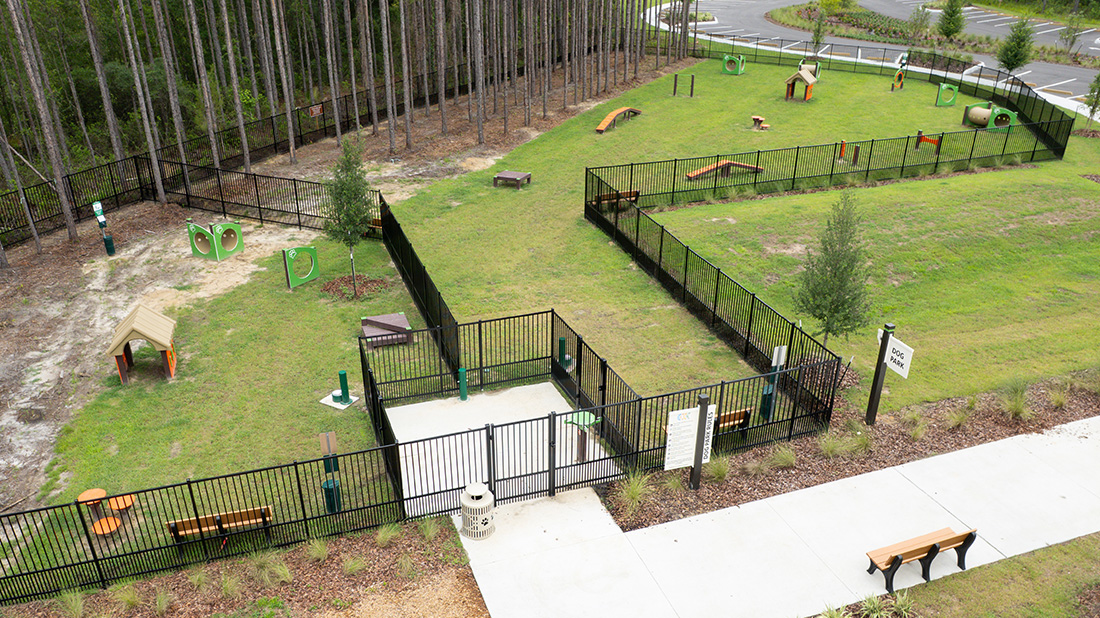
Dog parks have become a valuable amenity for communities, apartment complexes, HOAs, and public parks. As more communities invest in dog park equipment, one design feature continues to stand out as a best practice: creating separate areas for small and large dogs.
While all dogs benefit from exercise, socialization, and outdoor recreation, size different can create challenges when dogs of varying weights and energy levels share the same space. Designing dedicated areas for small and large dogs helps improve safety, reduce conflicts, and create a better experience for pets and their owners.
Why Dog Size Matters in Dog Park Design
Dogs come in a wide range of sizes, from a 10-pound Chihuahua to a 100-pound Great Dane. Even during friendly play, the physical differences between large and small dogs could lead to accidental injuries.
A separate small dog area gives owners peace of mind that their pets can run, play, and socialize without being overwhelmed by larger dogs. Likewise, large dogs benefit from having enough space to play freely with dogs of similar size and activity levels. For park planners, incorporating separate spaces is one of the most effective ways to improve the functionality of a commercial dog park.
Benefits of Separate Small and Large Dog Areas
1. Improved Safety
Safety is often the primary reason communities choose to create dedicated dog spaces. Large dogs can unintentionally injure smaller dogs during normal play. A collision that barely affects a Labrador may be enough to hurt a toy breed or senior dog. Separate areas help minimize these risks while allowing dogs to interact more comfortably. When evaluating dog park design options, safety should always be a top priority.
2. Better Socialization Opportunities
Dogs tend to play more naturally with others that have similar sizes, energy levels, and play styles. Small dog parks create a welcoming environment where smaller breeds can build confidence and socialize without intimidation. Large dog areas allow more athletic breeds to run, chase, and engage in active play without needing constant restraint. The result is a more enjoyable experience for both dogs and their owners.
3. Become a Community Destination
A dog park that feels safe and well-organized encourages more frequent use. Pet owners are more likely to visit regularly when they know their dogs have an appropriate space for recreation. This can increase resident satisfaction in apartment communities, enhance public parks, and strengthen neighborhood engagement.
4. Reduced Conflicts Between Pet Owners
Separate play areas often reduce disagreements among dog park users. When dogs of different sizes interact, owners may have varying opinions about acceptable play behavior. Distinct spaces help establish clear expectations and reduce concerns about rough play, allowing everyone to enjoy the park more comfortably.
Create a Better Dog Park
Whether you're developing a new dog park or upgrading an existing one, investing in the right dog park equipment with thoughtful design can help create a successful amenity that serves dogs and their owners for years to come.